May 27, 2026
We all want our kids to build strong dental habits early. Yet many families struggle when brushing time turns into a battle or a dental visit feels scary. We can change that pattern by making oral care feel simple, playful, and rewarding.
When we make dental care fun, we help kids build skills they can carry into adulthood. We also support better daily habits, which matter because good home care and regular checkups help lower the risk of tooth decay and gum problems. In this guide, we will share practical ways to make brushing, flossing, and checkups easier for children and less stressful for parents.
Helping Kids Enjoy Their Daily Dental Routine
Turn Brushing Into a Game
Kids respond well to play. We can use a two-minute song, a timer with lights, or a brushing chart to give the routine a clear start and finish. Many children brush longer and with better focus when they follow music or try to “beat the timer” while still brushing every area of the mouth.
We can also create small challenges. For example, we can ask kids to brush “top teeth, bottom teeth, front, back, and chewing surfaces” as if they were completing levels in a game. A simple system often works best. Children need clear steps they can remember, and a game gives structure without adding pressure.
Let Kids Make Small Choices
Choice gives children a sense of control. We can let them pick a toothbrush color, a kid-friendly toothpaste flavor, or the song they want to brush to during brushing time. When kids help shape the routine, they often resist less.
We can also invite them to track progress with stickers or a calendar. A visual record helps children see success. That feeling can build confidence and make the habit feel rewarding rather than forced.
Making Preventive Visits Feel Positive
Talk About the Dentist in a Calm, Upbeat Way
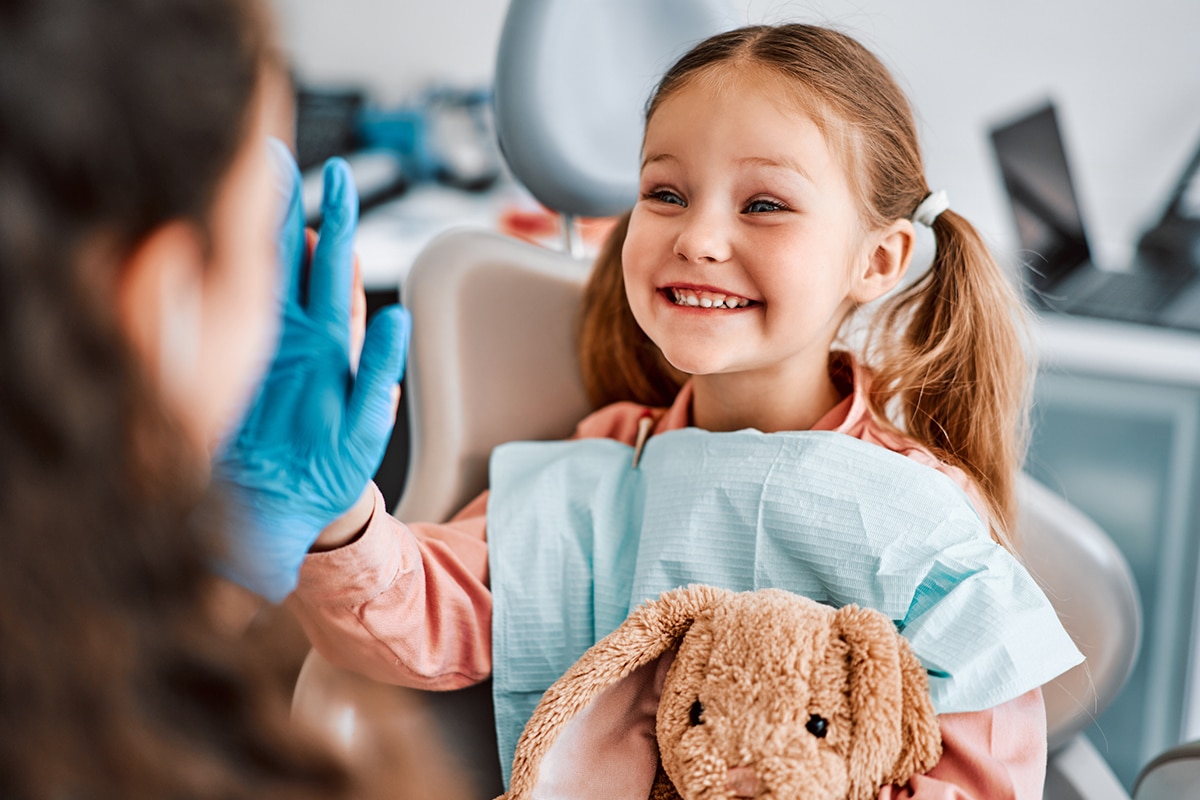
Children often mirror what we say and how we say it. We can describe dental visits as a normal part of staying healthy, just like washing hands or eating balanced meals. Clear, calm language helps kids know what to expect.
We should avoid using words that create fear. Instead of focusing on pain or problems, we can focus on counting teeth, keeping smiles strong, and practicing healthy habits. Positive framing can lower stress before the appointment even begins.
Schedule Visits Before Problems Start
Regular dental visits help us catch small issues early and support healthy development. They also let children become familiar with the office, the team, and the routine before discomfort enters the picture. That early comfort can shape how they feel about dental care for years.
For families who want a full plan for checkups, cleanings, and early care, we encourage them to learn more about preventive dentistry. Preventive care helps protect children’s teeth through routine visits, education, and early attention to developing needs.
Building Habits That Last at Home
Use Praise and Consistency
Children thrive on routine. We can set the same brushing times each morning and night so the habit becomes part of the day rather than a debate. Consistency reduces friction because kids learn what comes next.
Praise also matters. We can praise effort, not just results. A child who brushes willingly, remembers the routine, or improves technique deserves recognition. Specific praise, such as “You brushed every side of your teeth tonight,” works better than a vague “good job” because it tells the child what success looks like.
Teach With Simple, Age-Appropriate Facts
Kids usually cooperate more when they understand why a habit matters. We can explain that teeth help us eat, speak, and smile, and that sugar bugs and plaque can hurt teeth if we do not brush them away. Young children do not need long lectures. They need short, clear reasons.
We can also model good habits ourselves. When kids see us brush and floss daily, they learn that oral care is everyone's responsibility in the family. Shared routines can make the process feel normal and team-based instead of child-only.
Keep Snacks and Drinks in Mind
What children eat and drink affects oral health. Frequent sugary snacks or sweet drinks can raise the risk of cavities because mouth bacteria use sugars to produce acids that weaken tooth enamel. We can support healthy teeth by offering water often and keeping sugary treats to a minimum.
Snack timing matters too. Constant grazing extends the time teeth are exposed to acid attacks. We can help by setting regular meal and snack times. That gives saliva time to do its job between eating periods, which supports enamel and overall oral health.
A Strong Smile Starts with Small Steps
We do not need perfect routines to help kids succeed. We need steady habits, a positive tone, and tools that fit a child’s age and personality. Music, choice, praise, and early dental visits can turn daily care into something children accept and even enjoy.
When we make oral care feel manageable and fun, we help kids build confidence along with healthy teeth. Small steps at home can lead to better checkups, less stress, and stronger lifelong habits.
Frequently Asked Questions About Preventive Dentistry for Children
When should children start seeing a dentist?
Children should visit a dentist by their first birthday or within 6 months of the first tooth appearing. Early visits help us monitor growth, spot concerns early, and teach families how to care for baby teeth.
Why do baby teeth matter if they fall out?
Baby teeth help children chew, speak clearly, and hold space for adult teeth. Healthy baby teeth support comfort and development, and they can affect how permanent teeth come in later.
How often should kids brush their teeth?
Kids should brush twice a day with fluoride toothpaste. Parents should help or supervise brushing until children develop the skill to brush well on their own, which often happens several years after they first start brushing.
Are dental sealants helpful for children?
Dental sealants can help protect the chewing surfaces of back teeth, where cavities often develop. A dental team can tell us whether sealants make sense based on a child’s age, cavity risk, and stage of tooth development.
What drinks are best for children’s teeth?
Water ranks as the best everyday drink for teeth. Milk can also support growing children. Sugary drinks, including soda, sports drinks, and many fruit drinks, can raise cavity risk, especially when kids sip them often throughout the day.
At Vantage Pointe Dental, we care for families in Broomfield and the surrounding area, focusing on comfortable, practical dental care. We work to help children and adults build healthy habits and confident smiles. To learn more or schedule a visit, contact us.