August 31, 2026
Good oral health starts long before you sit in the dental chair. The habits you build at home shape your teeth and gums every single day, and small choices add up to big results over time. We put together these ten tips to help you and your family care for your smiles between visits.
Home hygiene and preventive dental care work hand in hand. When you brush, floss, and eat well at home, you make each checkup easier and lower your risk of cavities, gum disease, and other concerns. Let's walk through the everyday practices that keep your smile healthy and bright.
Tip 1 – Brush Twice a Day, Every Day
Make Brushing a Morning and Night Ritual
Consistency makes all the difference. We recommend brushing for two full minutes, twice a day, using gentle circular motions along every surface of your teeth. Rushing leaves plaque behind, so slow down and give each area the attention it deserves. When you skip a session, plaque hardens into tartar, and only a professional cleaning can remove it.
Key habits for effective brushing:
- Brush for a full two minutes, twice a day
- Use gentle circular motions along every surface
- Replace your toothbrush every three to four months
Tip 2 – Choose the Right Toothbrush
Soft Bristles Protect Your Gums
A soft-bristled toothbrush cleans your teeth thoroughly without scratching your enamel or irritating your gums. Hard bristles may feel like they scrub better, but they often cause more harm than good. We also recommend an electric toothbrush—its gentle vibrations remove plaque with less effort, making it especially helpful for children and anyone with limited dexterity.
What to look for in a toothbrush:
- Soft bristles to protect enamel and gums
- A head size that fits comfortably in your mouth
- An electric option for added ease and thoroughness
Tip 3 – Floss Once a Day
Reach the Spots Your Brush Can't
Brushing misses roughly a third of each tooth's surface. Daily flossing fills that gap and keeps your gums healthy. Slide the floss gently below the gumline and curve it around each tooth for the best results. If traditional floss feels tricky, you have plenty of comfortable options.
Comfortable flossing alternatives:
- Water flossers for a gentle, rinsing action
- Floss picks for easy one-handed use
- Interdental brushes for wider gaps between teeth
Tip 4 – Rinse With Mouthwash
Add an Extra Layer of Protection
An antimicrobial or fluoride mouthwash reaches areas that brushing and flossing sometimes miss. Rinsing reduces bacteria, freshens your breath, and strengthens your enamel. We recommend an alcohol-free formula, which cleans effectively without drying out your mouth. Use mouthwash as a supplement, not a substitute, for brushing and flossing.
Tips for getting the most from mouthwash:
- Choose an alcohol-free, antimicrobial or fluoride formula
- Swish for thirty seconds after brushing and flossing
- Use it as a supplement, not a replacement for brushing
Tip 5 – Watch What You Eat and Drink
Feed Your Smile, Not the Bacteria
Sugary snacks and acidic drinks feed the bacteria that cause cavities, so enjoy them in moderation and rinse with water afterward. Crunchy fruits and vegetables naturally help clean your teeth as you chew, while calcium-rich foods like cheese, yogurt, and leafy greens strengthen your enamel. When you build meals around tooth-friendly choices, you give your smile a steady foundation every day.
Tooth-friendly foods to include in your diet:
- Crunchy fruits and vegetables that help clean teeth naturally
- Cheese, yogurt, and leafy greens for calcium and enamel strength
- Water to rinse away sugars and acids after meals
Tip 6 – Stay Hydrated With Water
Water Is Your Smile's Best Friend
Drinking water throughout the day washes away food particles and keeps your mouth moist. Saliva plays a big role in protecting your teeth, and staying hydrated helps your body produce plenty of it. Fluoridated tap water offers an added bonus — it strengthens your enamel with every sip. Choose water over sugary sodas and juices, and your teeth will thank you.
Simple ways to drink more water:
- Keep a reusable water bottle with you throughout the day
- Drink a glass of water after every meal or snack
- Choose fluoridated tap water whenever possible for added enamel protection
Tip 7 – Don't Skip Your Regular Checkups
Home Care and Professional Care Go Together
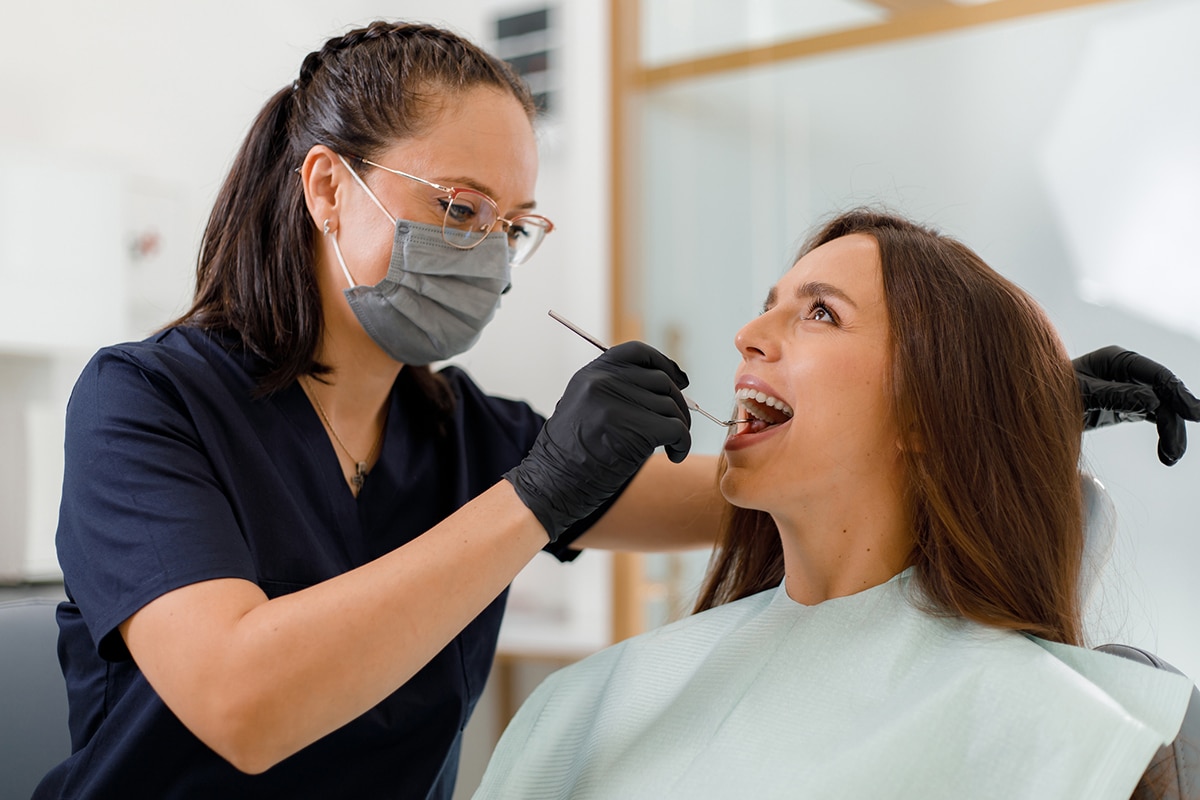
Even the most careful home routine works best alongside regular dental visits. We recommend a checkup and cleaning every six months so we can catch small concerns before they grow. Professional cleanings remove tartar that home brushing cannot, and routine exams keep your whole family on track. Learn more about our preventive dentistry and how it protects your smile.
What to expect at a preventive visit:
- A thorough professional cleaning to remove tartar buildup
- A comprehensive exam to check for early signs of decay or gum disease
- Personalized guidance to support your home care routine
Tip 8 – Clean Your Tongue
A Fresh Tongue Means Fresh Breath
Your tongue harbors bacteria that cause bad breath and contribute to plaque buildup. Gently brushing or scraping your tongue each morning removes that layer and leaves your mouth feeling cleaner. Adding tongue cleaning to your routine takes only a few seconds — make it a habit, and you'll enjoy fresher breath and a healthier mouth overall.
Easy ways to clean your tongue:
- Use a tongue scraper each morning for thorough removal of bacteria
- Brush your tongue gently with your toothbrush if you don't have a scraper
- Add tongue cleaning to your existing brushing routine for consistency
Tip 9 – Protect Your Teeth From Grinding
A Night Guard Can Save Your Smile
Many people grind or clench their teeth during sleep without realizing it. Over time, grinding wears down enamel, causes jaw pain, and can crack your teeth. If you wake up with a sore jaw or notice worn spots, a custom night guard offers gentle, comfortable protection. We can create one shaped just for you so it fits snugly and feels natural.
Signs you may be grinding your teeth:
- Waking up with a sore or stiff jaw
- Noticing worn, flattened, or chipped tooth surfaces
- Experiencing frequent headaches or facial tension in the morning
Tip 10 – Replace Habits That Harm Your Teeth
Small Changes Make a Lasting Difference
Chewing ice, biting your nails, and using your teeth to open packages can all lead to chips and cracks. Tobacco use takes an additional toll on your oral health, raising your risk of gum disease and staining. When you swap harmful habits for healthier ones, you give your teeth the care they deserve every day.
Common habits to avoid for a stronger smile:
- Chewing ice, which can chip and crack enamel
- Biting your nails or using your teeth as tools
- Tobacco use, which raises the risk of gum disease and staining
Building Healthy Smiles at Home
Caring for your smile at home does not have to feel complicated. When you brush and floss consistently, choose tooth-friendly foods, stay hydrated, and keep up with regular visits, you build a strong foundation for lifelong oral health. These ten tips work best together, so start where you can and add new habits over time. We're always here to support you and your family with gentle, personalized care every step of the way.
Frequently Asked Questions About Preventive Dentistry
What is preventive dentistry?
Preventive dentistry focuses on stopping dental problems before they start. It combines your daily home care with regular professional cleanings and exams to keep your teeth and gums healthy. Together, these habits help you avoid cavities, gum disease, and more serious concerns down the road.
How often should I visit the dentist for preventive care?
For most patients, we recommend a checkup and cleaning every six months. Regular visits let us catch small issues early and keep your smile in great shape. Some patients benefit from more frequent visits, so we're happy to create a schedule that fits your needs.
Can good home hygiene really prevent cavities?
Absolutely! Brushing twice a day, flossing daily, and limiting sugary snacks go a long way toward preventing cavities. When you pair strong home habits with professional cleanings, you give your teeth the best possible protection.
Are fluoride treatments part of preventive dentistry?
Yes — fluoride strengthens your enamel and helps your teeth resist decay. You can support your enamel at home with fluoride toothpaste and rinses, and we may recommend professional fluoride treatments during your visits for extra protection.
What are the signs I need better home hygiene?
Bleeding gums, persistent bad breath, and sensitivity can all signal that your home routine needs attention. If you notice any of these signs, we're here to help you adjust your habits and get back on track toward a healthy smile.
At Vantage Pointe Dental, we provide warm, comprehensive dental care for patients of all ages. From everyday preventive visits to personalized guidance for your whole family, we're dedicated to helping you enjoy a healthy, confident smile. If you have questions or would like to schedule a visit, contact us today.